Solar Panel Cost in 2026: A Full Price Breakdown
Understanding solar panel cost is the first real step toward energy independence. Most people ask one question before anything else: how much will this actually set me back? In 2026, the honest answer is that solar costs less than it did five years ago, and the returns arrive faster than most buyers expect.
This price breakdown removes the mystery. We will walk through every line item, from panels to paperwork, so you can read any quote with confidence and spot padding instantly.
What Goes Into Solar Panel Cost?
A solar quote is never a single number. It bundles several components, and each one deserves scrutiny. When you know what sits inside the total, you negotiate from a position of strength.
- Solar panels: Usually 40 to 50 percent of the total system cost.
- Inverter: Around 15 to 20 percent, and worth every rupee when high quality.
- Mounting structure: Roughly 10 percent, engineered for wind and weather.
- Wiring and protection: Cables, breakers, and surge devices.
- Installation labor: Skilled work that determines long-term safety.
Batteries, when included, sit on top of this and often add substantially to the bill. Skip them unless you genuinely need backup during outages.
How Much Does a Home Solar System Cost?
Pricing depends on system size, component quality, and whether you add storage. The table below gives realistic 2026 ranges for common residential setups. Treat these as planning figures, not fixed quotes.
| System Size | Typical Home | Backup Option | Payback Period |
|---|---|---|---|
| 3 kW | Small household | Grid-tied | 4-6 years |
| 5 kW | Average family home | Optional battery | 4-5 years |
| 10 kW | Large home or shop | Hybrid with storage | 5-7 years |
Larger systems cost more upfront but often deliver a better cost-per-watt. Buying slightly bigger today can be cheaper than expanding later.
Why Quality Changes the Math
A rock-bottom quote usually hides weak components. Cheap inverters fail within a few years, and thin panels degrade fast. The lowest sticker price frequently becomes the most expensive choice over a decade.
The International Renewable Energy Agency reports that global solar module prices have fallen steadily, which means tier-one panels are now affordable. There is little reason to gamble on unbranded hardware in 2026.
Hidden Costs to Watch For
Some expenses hide in the fine print. A transparent installer lists them upfront, while a careless one surprises you mid-project. Ask about each of these before you sign.
- Net metering registration and utility application fees.
- Roof reinforcement if the structure needs strengthening.
- Extra cabling for long runs between roof and inverter.
- Earthing and lightning protection, often skipped in cheap quotes.
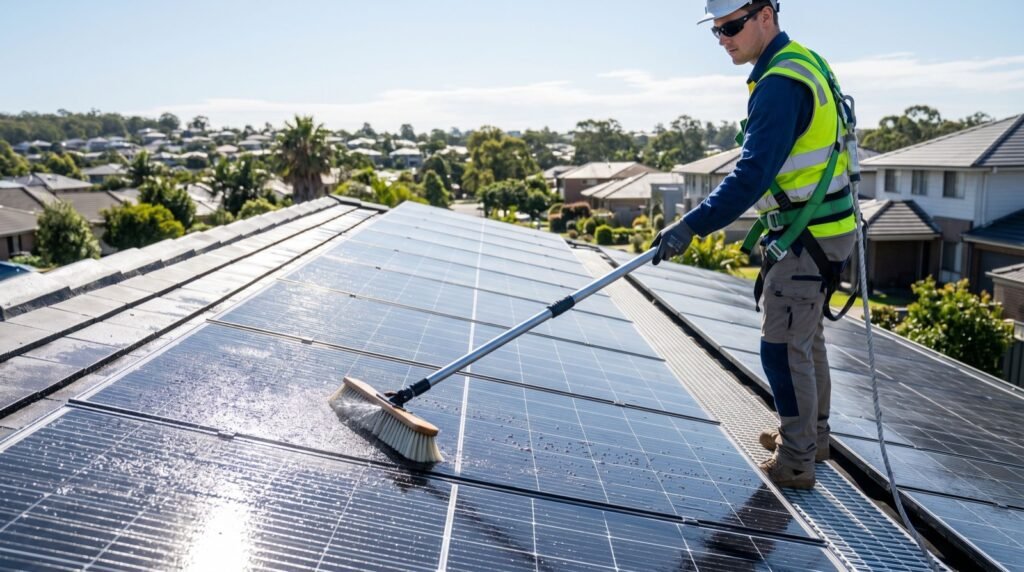
- Annual cleaning and maintenance visits.
None of these are dealbreakers, but they belong in the conversation early. Surprise charges are the fastest way to sour a solar project.
How Do You Lower Your Solar Panel Cost?
Smart buyers trim cost without cutting corners. The trick is spending where it matters and saving where it does not. Here are proven ways to keep the budget lean.
- Right-size the system to real usage instead of overbuying.
- Choose grid-tied over battery storage unless backup is essential.
- Compare at least three detailed quotes, not just headline prices.
- Bundle net metering into the installer’s scope of work.
Location influences pricing too. When you evaluate solar panels in Sialkot, local labor rates and transport distance both feed into the final number.
Financing Versus Paying Upfront
Paying cash gives the fastest payback and the lowest total cost. Financing spreads the burden but adds interest. If your monthly savings exceed your loan installment, financing still makes sense while you conserve capital.
Return on Investment Explained
Solar is not an expense, it is a prepaid electricity plan. Once installed, the system slashes your bills for two decades or more. The upfront cost simply converts years of future payments into a single one-time investment.
Rising grid tariffs actually improve your return. Every price hike the utility announces makes your solar savings larger. That is why choosing reliable local experts for a durable installation pays off long after the first switch-on.
For a proper solar installation in Rawalpindi, insist on a written performance estimate so you can track real output against the promise.
Frequently Asked Questions
Is solar panel cost worth it in 2026?
Yes. With falling hardware prices and rising tariffs, most systems pay for themselves in four to six years and then deliver nearly free power for decades.
What is the biggest cost in a solar system?
The panels themselves usually represent the largest single share, followed by the inverter. Together they make up most of the total investment.
Do batteries increase solar panel cost a lot?
Yes, storage adds significantly to the price. Add batteries only if you face frequent, lengthy outages and truly need continuous backup power.
Can I reduce cost with a smaller system?
A smaller system costs less upfront but covers less of your bill. Size it to your actual usage so you maximize savings without overspending.
How Component Choices Shift the Price
Every part of a solar system offers a spectrum of quality and price. Understanding these tiers helps you spend wisely instead of blindly chasing the cheapest total. Small upgrades in the right places pay for themselves many times over.
Panels come in economy, standard, and premium tiers. Inverters range from basic string units to advanced hybrid models. Mounting hardware also varies, from thin brackets to heavy galvanized structures built for high winds.
- Premium panels: Higher efficiency and stronger warranties per watt.
- Hybrid inverters: Cost more but enable future battery backup.
- Galvanized mounts: Resist rust and last the full system life.
- Quality cabling: Reduces energy loss and fire risk.
Spend on the inverter and mounting first. These parts protect everything else and are the hardest to upgrade later. Skimping here almost always costs more down the road.
Regional Price Differences
Where you install affects the final bill. Labor rates, transport distance, and local competition all move the number up or down. A city with many installers usually offers keener pricing than a remote town.
Rooftop complexity matters too. A simple single-story flat roof is cheaper to fit than a multi-level structure requiring extra scaffolding and safety gear. Always request an on-site survey so the quote reflects your real conditions.
- Compare quotes from installers serving your specific area.
- Ask whether transport and scaffolding are included.
- Check if local net metering rules add any fees.
- Confirm the price is fixed, not an estimate that can climb.
These small checks prevent budget surprises and keep your project on track from quote to switch-on.
Final Thoughts
The real solar panel cost in 2026 is far friendlier than the myths suggest. Break the quote into parts, demand quality components, and watch for hidden charges. Spend on the inverter and mounting, compare local installers, and lock in a fixed price. When you do, solar stops looking like a big expense and starts looking like the smartest money you will spend all year.